Cambodia: Sach Ko Chomkak

Restaurant: Battambang Restaurant
City: Oakland, CA

I had Cambodian for dinner with my family and a family friend. I remembered how a friend brought homemade Cambodian beef skewers to a BBQ last summer where I really liked it, so I picked this dish for my family and friend to try. The taste is very distinct and unique from the lemongrass, even without the fish sauce.

sach ko chomkak

Charbroiled beef shish kebab marinated with lemongrass, spices (kroeung), and ground peanuts. Served with fish sauce and pickled vegetables.

Cambodian beef sticks is sort of like Hot Dogs to the Americans. Almost no Cambodian events is left without, especially if it involves barbecuing. It makes outdoor entertaining fun and festive. (Oh Cambodia)

Cambodia: Amok Trey

Restaurant: Battambang Restaurant
City: Oakland, CA

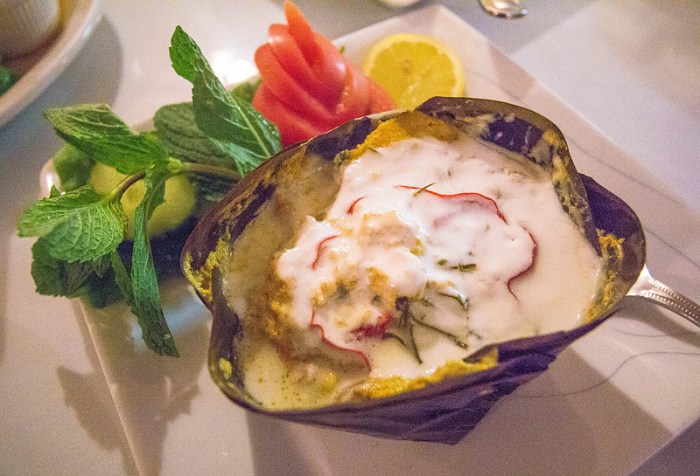
I had Cambodian for dinner with my family and a family friend. I think it was the first time I brought my family to a Cambodian restaurant so I had to get amok trey!

amok trey

Thinly sliced filet of fish in a red lemon grass sauce, then steamed in banana leaves.

I last had amok trey back in January; the two are basically the same dish but presented in different ways! Both are fishy with a strong curry taste. Continue reading

Cambodia: Banh Chao

Restaurant: Battambang Restaurant
City: Oakland, CA

I had Cambodian for dinner with my parents and a family friend. We had an assorted appetizer platter, where one item was “num banhchev”.

banh chev - 1 banh chev - 2

Cambodian rice flour crepe, stuffed with ground chicken, diced prawns, onion, bean sprouts, green onion, served with cucumber, fresh mint, and vinegar sauce with ground peanuts.

This particular dish is commonly called banh chev in Phnom Penh. (Srok Khmer)

Further research shows the Khmer name, បាញ់ឆែវ, transliterated into IPA becomes “banh chev” while the transliteration into English becomes “banh chao”. The ‘v’ in “banh chev” is pronounced as ‘w’ in English. (Wikipedia)

Banchao is also present in Vietnam with the name “Banh xeo”. However, banchao in Cambodia, especially in Phnom Penh is famous for its distinct taste. It’s made from the same ingredients (including rice flour, coconut milk, and shrimp) with the one of Vietnam. Besides, banchao in Phnom Penh is added fresh bamboo shoot in the middle and deep-fried with cooking oil till it is yellow. The dish is typically eaten with fish sauce and lolot for hot flavor. (Best Cambodian Tours)

Southern Vietnam: Hủ Tiếu Bà Năm Sa Đéc

Restaurant: Vung Tau III Restaurant
City: Newark, CA

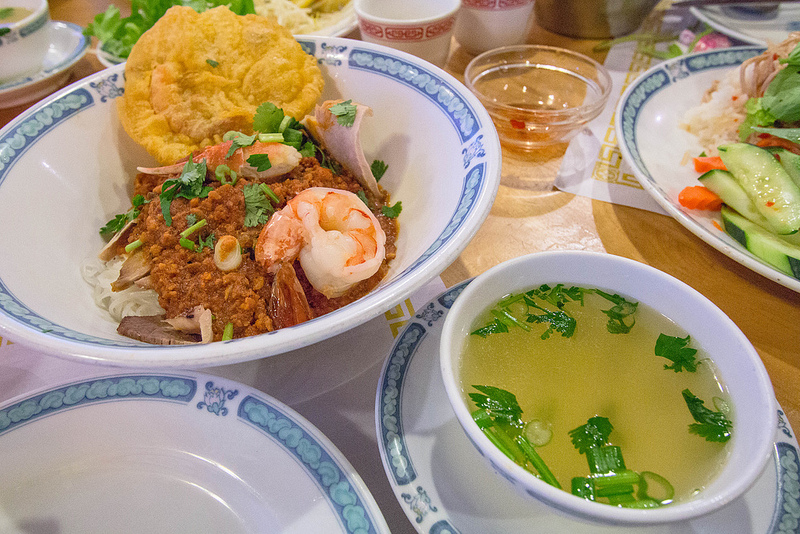
My family’s been going to a Vung Tau restaurant since I was a kid… I even remember eating at the San Jose location (the first Vung Tau Restaurant) when I was 4 years old! Later, we’d go to the Milpitas location after it opened in 1996 (Vung Tau II), and then Newark after it opened in 2000 (Vung Tau III) since it’s closer to home. Two of the employees even recognize us…so I guess we’re loyal diners?! ;)

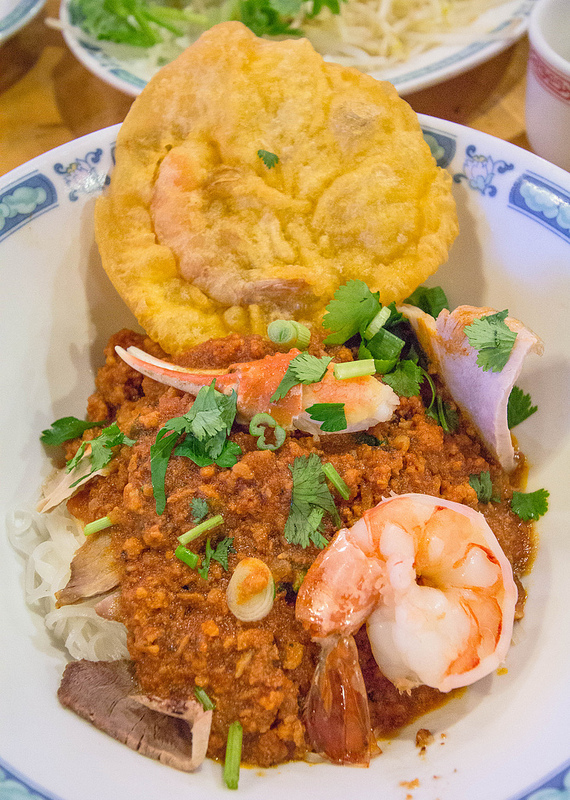
Vietnamese cuisine isn’t all about pho, spring rolls, and banh mi; there’s tons of other dishes. Here’s my favorite noodle dish at this restaurant, which I had for dinner tonight with my family and relatives. My sister had the same dish as well. You can order this noodle dish as a noodle soup, or dry with soup on the side. You can choose whether you want the rice noodle (pho-style noodle), egg noodle, or the glass noodle.

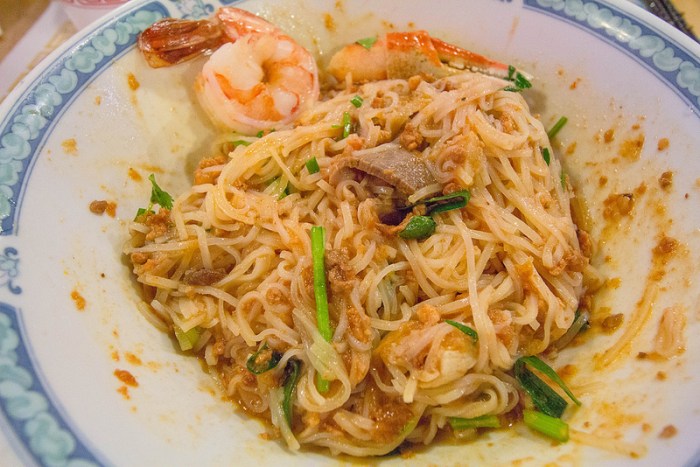
hu tieu ba nam sa dec - 1

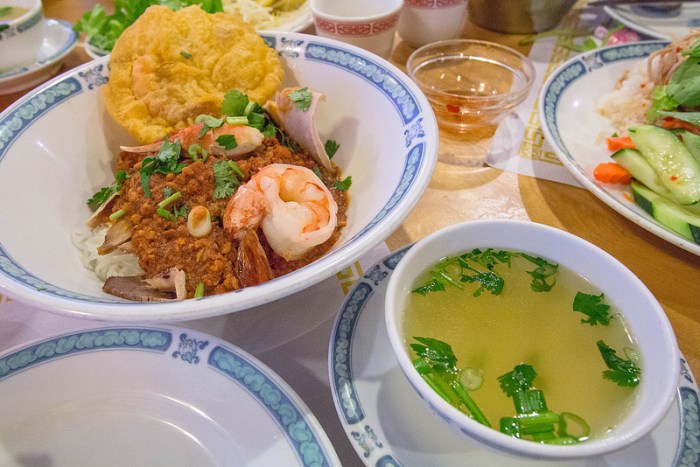
Hủ Tiếu Bà Năm Sa Đéc – (Rice or egg) noodle soup with prawn, pork, crab claw, & a shrimp cracker. Dry or regular.

I always get it dry with the rice noodle, then dip the cracker in the soup to munch on, then pour the remaining soup into the bigger bowl and mix it all up!

hu tieu ba nam sa dec - 2 hu tieu ba nam sa dec - 3 Continue reading

Burma: Ame Hnat

Restaurant: Kyusu Restaurant
City: San Jose, CA

My coworkers and I had Burmese for lunch! It was a first for many of us; a few of us had Burmese at Burma Superstar, which is more of a fusion style. Kyusu has more traditional dishes.

In addition to the appetizer and salad, we each ordered a dish to share. One coworker ordered Burmese beef stew.

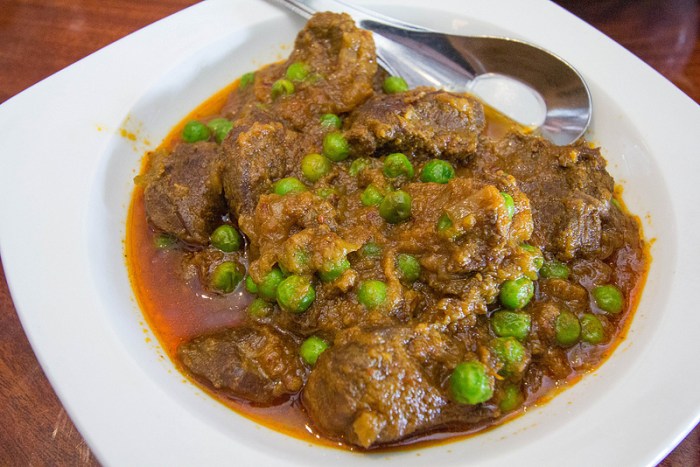
ame hnat

Traditional red beef curry made with grass-fed organic beef cooked with onion, garlic, ginger and tomato, tossed with green peas. Served with rice or prata.

The beef was chunky, tender, and had the stew-like texture but had a strong curry taste. It’s like a cross between Thai/Indian curry and Chinese/Vietnamese beef stew. If you get my drift.

Burmese beef curry (ame hnat) is another Burmese recipe in which you will be able to use any cuts of meat as this would be made with the cheapest cuts in Burma. However, the end result is very tasty, but it does take more than three hours of cooking. This dish is similar to the southern Thai Masaman. (Pattaya Mail)

Burma: Kauk Swe Thoke

Restaurant: Kyusu Restaurant
City: San Jose, CA

My coworkers and I had Burmese for lunch! It was a first for many of us; a few of us had Burmese at Burma Superstar, which is more of a fusion style. Kyusu has more traditional dishes.

In addition to the appetizer and salad, we each ordered a dish to share. One coworker ordered this flat rice noodle dish, which turned out to be the same as nan gyi thoke, just different type of noodle!

kauk swe thoke - 1 kauk swe thoke - 2

Flat (wheat) flour noodle served with onion & tomato based all natural fresh chicken, fish sauce, garlic oil, chilli oil, shredded cabbage, cilantro, lemon, and roasted yellow pea powder.

Even though the description noted chili oil, it was not spicy. The non-spicy eaters in our party enjoyed this dish! There was chili pepper available at our table in case one wanted to make his/her dish spicier.
Continue reading

Burma: Nan Gyi Thoke

Restaurant: Kyusu Restaurant
City: San Jose, CA

My coworkers and I had Burmese for lunch! It was a first for many of us; a few of us had Burmese at Burma Superstar, which is more of a fusion style. Kyusu has more traditional dishes.

In addition to the appetizer and salad, we each ordered a dish to share. I picked this round noodle dish, which was mixed by the waitress upon arrival.

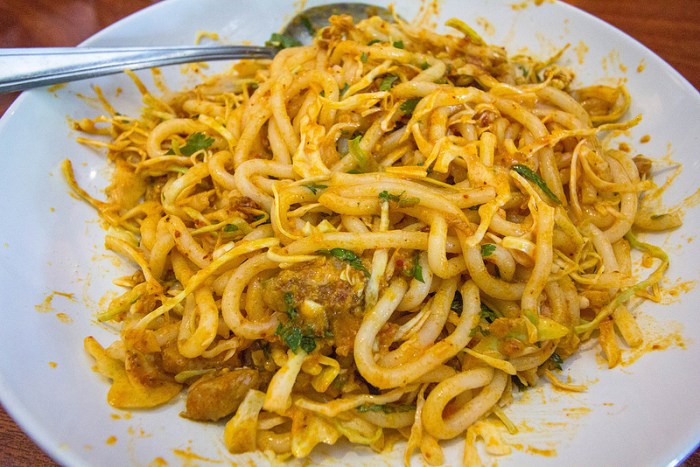
nan gyi thoke - 1 nan gyi thoke - 2

Thick rice noodle served with onion & tomato based all natural fresh chicken, fish sauce, garlic oil, chilli oil, shredded cabbage, cilantro, lemon, and roasted yellow pea powder.

Even though the description noted chili oil, it was not spicy. The non-spicy eaters in our party enjoyed this dish! There was chili pepper available at our table in case one wanted to make his/her dish spicier.
Continue reading

Shan State: To Hpu Gyaw

Restaurant: Kyusu Restaurant
City: San Jose, CA

My coworkers and I had Burmese for lunch! It was a first for many of us; a few of us had Burmese at Burma Superstar, which is more of a fusion style. Kyusu has more traditional dishes.

We ordered Kyusu’s Tofu Gyaw, or Fried Shan Tofu, as our appetizer.

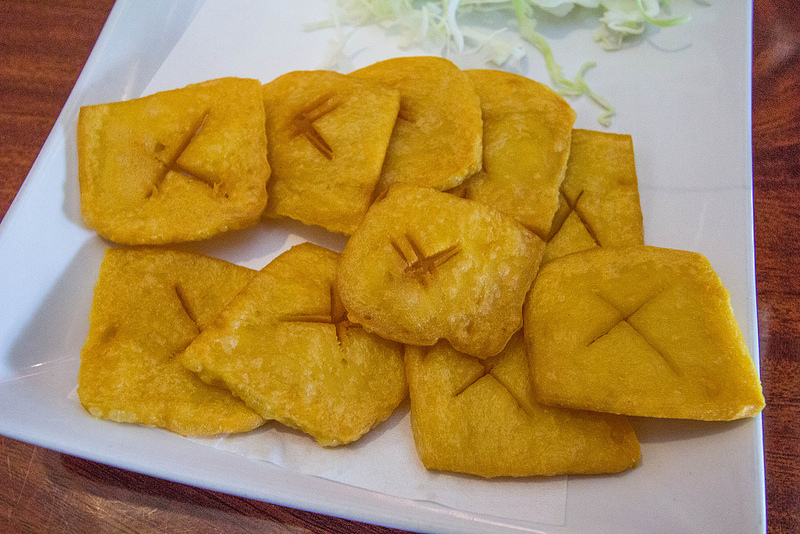
to hpu gyaw

Deep fried homemade yellow tofu served with house blend red sauce. A brownish sauce was served alongside the red sauce, which is similar to hoisin sauce but thinner. The tofu was also served with a small shredded cabbage salad.

Burmese tofu is primarily made of chickpea flour whereas Chinese, Japanese, and Korean tofu is made of soy. The texture is firm, yet the inside was soft.

Read on for more info about Burmese tofu and this particular fried Shan tofu, from Wikipedia:

Burmese tofu (Burmese: တိုဖူး; IPA: [tòpʰú] or [tòhú]) is a food of Shan origin and is different from Chinese tofu in that it is not made from soy milk and not set with a coagulant. Shan tofu is produced in a similar fashion to polenta, with its primary ingredient being water and flour ground from yellow split peas and the Burmese version from chickpea flour, also known as besan flour. The flour is mixed with water, turmeric, and a little salt and heated, stirring constantly, until it reaches a creamy consistency. It is then transferred into a tray and allowed to set. It is matte yellow in colour, jelly-like but firm in consistency, and does not crumble when cut or sliced. It may be eaten fresh as a salad or deep fried. It may also be sliced and dried to make crackers for deep frying.

To hpu gyaw is yellow tofu cut into rectangular shapes, scored in the middle, and deep fried. Tofu fritters may be eaten with a spicy sour dip, or cut and made into a salad. They are crispy outside and soft inside.

Burma: Lahpet Thoke

Restaurant: Kyusu Restaurant
City: San Jose, CA

My coworkers and I had Burmese for lunch! It was a first for many of us; a few of us had Burmese at Burma Superstar, which is more of a fusion style. Kyusu has more traditional dishes.

To start off our lunch, we had the tea leaf salad. Kyusu serves it in two ways, original or salad style. We opted for the original.

Tea Leaf Salad (Original) – A mix of pickled Burmese tea leaves, fried beans, fried garlic, peanuts, premium sesame seeds and premium sesame oil, dried shrimp, tomatoes and fresh cabbage. Hot red chili was served in a small dish along with this dish.

What’s interesting is that tea leaf salad is traditionally served at the end of the meal. However, here in the United States, salad is usually eaten at the beginning of the meal or along with appetizers.

Tea in Burma is a crazy big deal.  Tea shops in Burma act sort of like coffee shops do here:  places where people can mingle and mix and be. The Burmese not only drink their tea, but eat the fermented leaves, use them as flavorings, and chew them for a stimulant effect. Talk about being all MacGyver about it. (The Hungary Buddha Eats the World)

Here’s some info about lahpet thoke, from Wikipedia:

Lahpet, also spelled laphet (Burmese: လက်ဖက်သုပ်; MLCTS: lak hpak, pronounced: [ləpʰɛʔ]), is Burmese for fermented or pickled tea. Burma is one of very few countries where tea is eaten as well as drunk. Its pickled tea is unique in the region, and is not only regarded as the national delicacy but plays a significant role in Burmese society. Its place in the cuisine of Myanmar is reflected by the following popular expression: “Of all the fruit, the mango’s the best; of all the meat, the pork’s the best; and of all the leaves, lahpet’s the best”.

Burmese tea leaf salad (လက်ဖက်သုတ်) is served as two main forms. First is mainly used to serve in ceremonies and is called A-hlu lahpet (အလှူလက်ဖက်, လက်ဖက်သုတ်လူကြီးသုတ် or အဖွားကြီးအိုသုတ်) or Mandalay lahpet. The second one is mostly served with meals and is more popular.

The best tea leaves are selected for fermenting and the rest for drying. They are steamed for about five minutes before either drying or fermenting. Young leaves are packed into bamboo vats set in pits and pressed by heavy weights; the fermentation process is checked at intervals and the pulp may occasionally require re-steaming.

Lahpet thohk or lahpet thoke (လက်ဖက်သုတ်) is pickled tea salad which is very popular all over Myanmar. Some teashops would have it on their menu as well as Burmese restaurants. It is prepared by mixing all the above ingredients without the coconut but in addition includes fresh tomatoes, garlic and green chilli, sometimes shredded cabbage, and is dressed with fish sauce, sesame or peanut oil, and a squeeze of lime. Many would have lahpet together with plain white rice. This form is traditionally served at the end of every meal.

Here’s some more info about the dish, from Arbor Teas:

Burmese Tea Leaf Salad or Lahpet Thoke (pronounced “la-pay toe”)

If you lived in Myanmar and a friend popped in to visit, this is the snack you’d serve. Lahpet, which means “green tea”, and thoke, which means “salad”, is an eclectic mix of flavors and textures that includes soft, pickled tea leaves, crisp, roasted peanuts and other crunchy beans, toasted sesame seeds, fried garlic and, if you like, dried shrimp and chopped tomato. It’s meant to be served with all the ingredients in separate piles so that guests can pick out a combination to their own preference each time they grab a handful. While nowadays the salad is typically served as a final course at the end of a meal, historically lahpet was an ancient symbolic peace offering that was exchanged and consumed after settling a dispute between warring kingdoms. Letting each person customize his or her salad toppings, sounds like a perfectly democratic way to stop an argument! That way everyone is at least somewhat satisfied in the end.

Lahpet is so important to the culture that when tea leaves are harvested, the best of the crop is set aside for fermenting, while the rest is dried and processed for drinking tea. The freshly harvested tea leaves are briefly steamed, then packed into bamboo vats and set in pits, pressed by heavy weights to encourage fermentation. Packages of prepared laphet thoke ingredients—the tea leaves and all the other mix ins—are readily sold in Burma. Finding fermented tea leaves outside Burma and northern Thailand, however, isn’t very easy. The other option is to try fermenting the leaves yourself. Since most likely you won’t have access to fresh tea leaves, dried green tea leaves make a perfectly acceptable substitute.